
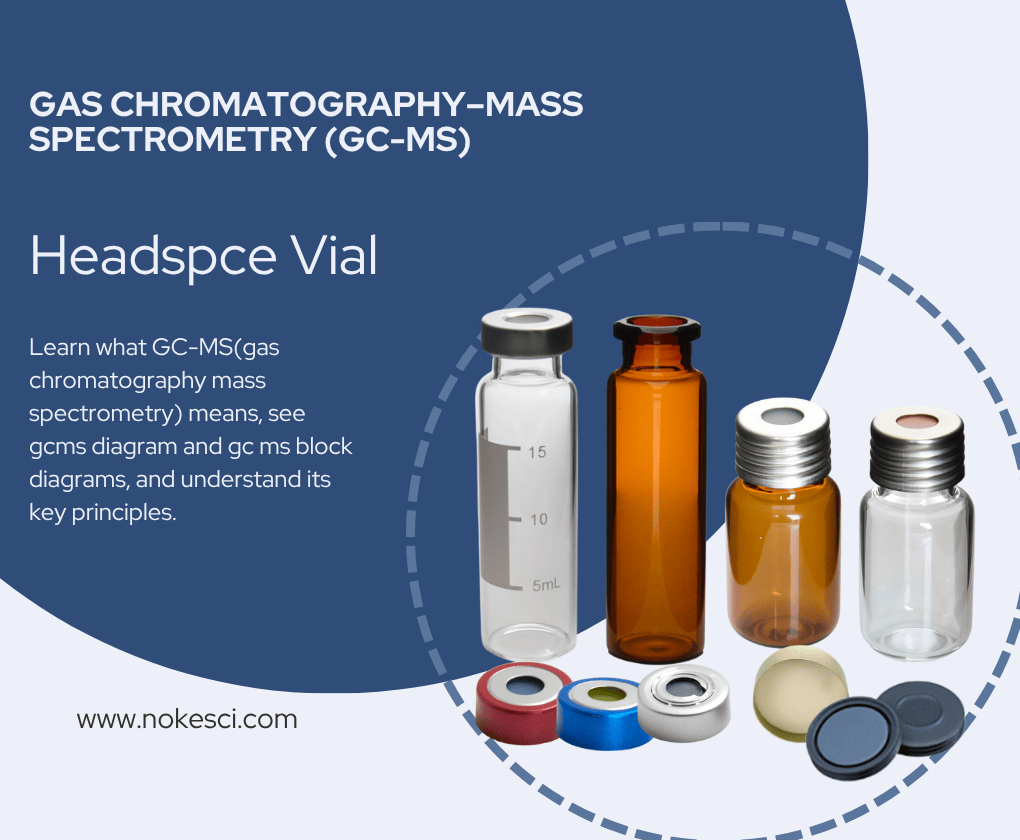
Gas Chromatography–Mass Spectrometry (GC-MS): Principles, Technical Insights, and Applications
GC-MS, short for Gas Chromatography–Mass Spectrometry, combines the physical separation capabilities of gas chromatography (GC) with the molecular identification power of mass spectrometry (MS).
What Does GC-MS Stand For?
GC-MS stands for Gas Chromatography–Mass Spectrometry, integrating gas chromatography separation with mass spectrometry detection based on mass-to-charge ratios (m/z).
Fundamental Principles
- Gas Chromatography (GC): Separates components by passing vaporized sample through a capillary column with stationary phase.
- Mass Spectrometry (MS): Ionizes chemical species and sorts them by mass-to-charge ratios, producing a mass spectrum molecular fingerprint.
Detailed Workflow
- Sample Injection and Vaporization
- Chromatographic Separation in temperature-controlled oven
- Transfer Interface via heated transfer line
- Ionization typically by electron ionization (EI) at ~70 eV
- Mass Analysis by quadrupole or time-of-flight analyzer
- Detection and Data Acquisition
- Data Interpretation using spectral libraries (e.g., NIST)
Technical Components
- Injector Port, GC Oven and Column, Carrier Gas Supply
- Transfer Line, Ion Source (EI), Mass Analyzer (Quadrupole/TOF)
- Detector (electron multiplier), Data System
Applications
GC-MS is used in environmental monitoring, forensic toxicology, pharmaceutical QC, food safety, petrochemical analysis, and clinical diagnostics.
